
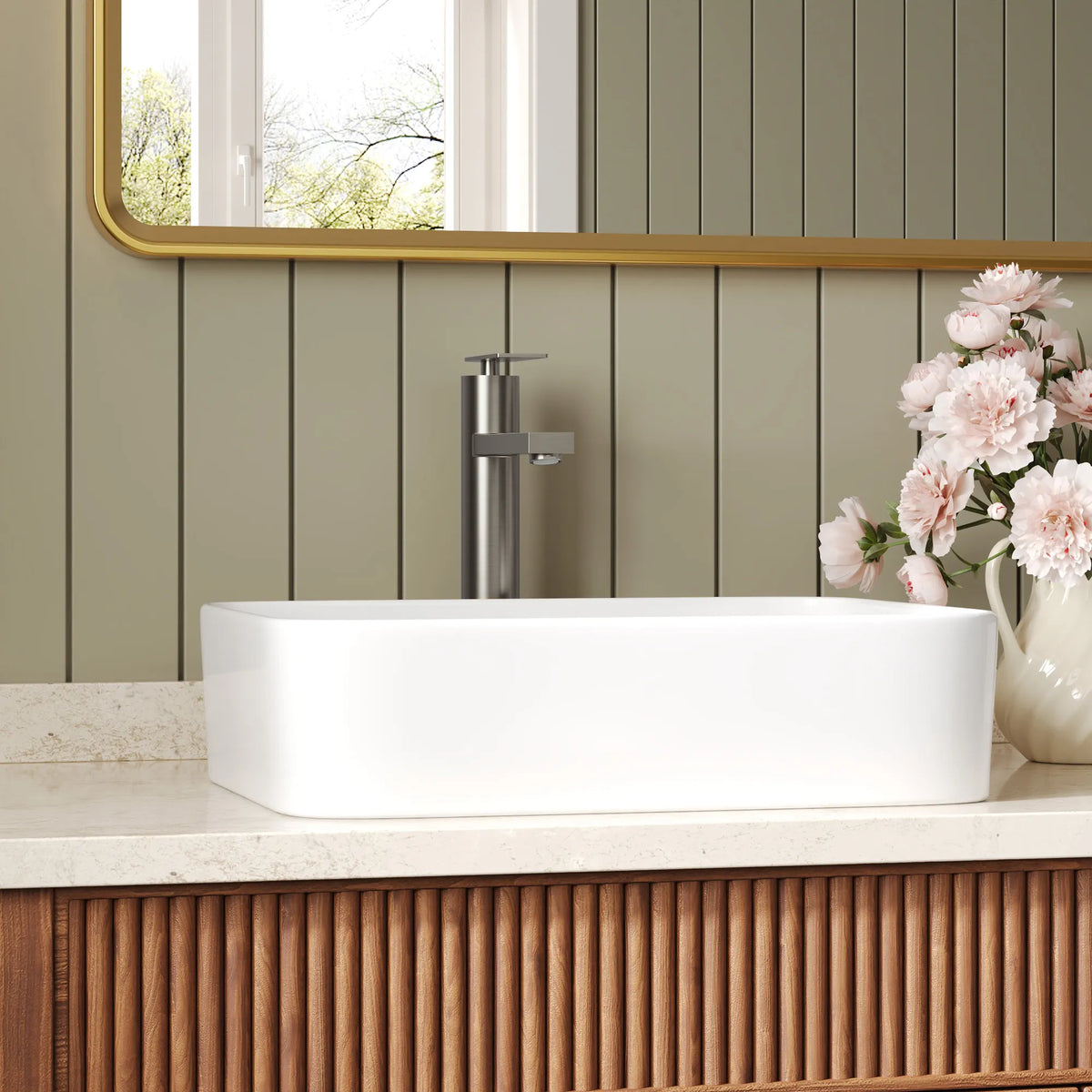
When you're standing in the aisle looking at faucets, the choice between brushed nickel and chrome often boils down to two things: looks and upkeep. Chrome gives you that brilliant, mirror-like shine—a classic, bright finish that really pops. On the other hand, brushed nickel has a softer, warmer, and more matte appearance. It really comes down to whether you love a high-polish, reflective look or prefer a subtle, textured finish that's a bit more forgiving with smudges.
Choosing Your Ideal Faucet Finish
Picking a faucet finish feels like a small detail, but it's one of those decisions that can pull an entire room together. It’s not just about the hardware; it’s the final touch that complements everything from your countertops and cabinets to the lighting fixtures. Both brushed nickel and chrome are fantastic, durable options, but they bring completely different personalities to the table.
This guide is designed to cut through the noise and give you a straightforward comparison. We’ll start with a quick, side-by-side look at the core differences in appearance, maintenance, and cost. Getting these fundamentals down first will give you a solid footing, making it much easier to decide if the warm elegance of brushed nickel or the timeless shine of chrome is the right call for your home.
Brushed Nickel vs Chrome A Quick Comparison
Use this side-by-side summary of brushed nickel and chrome faucet finishes to quickly evaluate the best choice for your project. This table gets right to the point, breaking down the most important factors so you have a clear snapshot of how each finish stacks up.
| Feature | Brushed Nickel | Chrome |
|---|---|---|
| Appearance | Soft, matte, slightly textured with a warm, yellowish undertone. | Bright, highly reflective, mirror-like with a cool, bluish undertone. |
| Durability | Very durable and resistant to wear, especially with PVD coatings. | Highly durable, scratch-resistant, and excellent at resisting corrosion. |
| Maintenance | Excellent at hiding fingerprints, water spots, and smudges. | Shows fingerprints and water spots easily, requiring frequent cleaning. |
| Design Style | Versatile; complements traditional, transitional, and farmhouse designs. | Classic; fits well with modern, minimalist, and art deco styles. |
| Cost | Generally more expensive due to more complex finishing processes. | Typically the more affordable and budget-friendly option. |
| Color Palette | Pairs well with warm colors, earth tones, stone, and natural wood. | Complements cool colors, whites, grays, and bold, vibrant hues. |
As you can see, there are clear trade-offs. If your top priority is a low-maintenance finish that creates a warm, inviting feel, brushed nickel is almost always the way to go. But if you’re after that brilliant, timeless shine and need to keep a closer eye on the budget, chrome offers incredible value and a clean, polished look that simply never goes out of style.
Comparing Visual Style and Design Impact
When you're standing in the aisle looking at faucets, the first thing you'll notice is the finish. It’s more than just a color; it’s about the personality each finish brings to a room. Your choice between brushed nickel and chrome will set the entire mood for your kitchen or bathroom, so understanding the visual difference is the perfect place to start.
The real distinction comes down to how they play with light. Chrome is a showstopper—it’s highly reflective with a brilliant, mirror-like shine that practically bounces light across the room. This quality gives it a sharp, clean, and energetic feel, which can make a space feel brighter and even a bit bigger.
On the other hand, brushed nickel has a much softer, almost semi-matte look. The surface has a subtle texture from the brushing process, which diffuses light instead of reflecting it head-on. This creates an understated glow that lends a warmer, more relaxed vibe to the space.
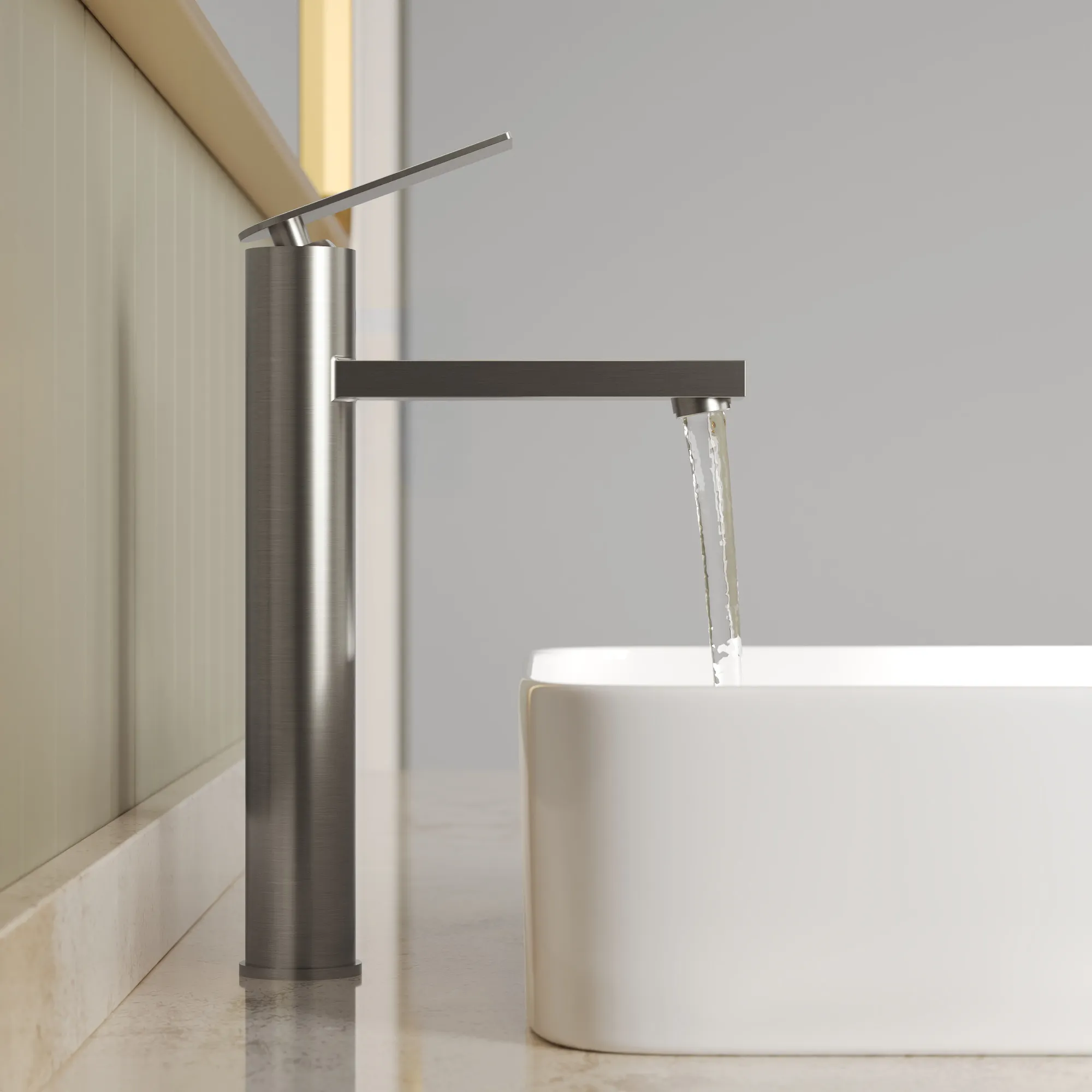
The Cool Tones of Chrome
Chrome's classic look is all about its cool, silvery-blue undertones. It’s crisp and polished, making it a go-to for contemporary, modern, and minimalist designs where clean lines reign supreme. Think of it as a piece of jewelry for your sink—it adds a touch of polished sophistication.
Because it's so reflective, chrome works beautifully with certain elements:
- Cool Color Palettes: It really pops against whites, grays, blues, and blacks, making them feel even sharper.
- Sleek Materials: Chrome looks fantastic next to glossy ceramic tiles, quartz countertops, and high-gloss cabinets.
- Bold Accents: It has a way of amplifying vibrant accent colors, making them stand out.
In a real-world setting, a chrome faucet in an all-white bathroom can elevate the entire space, giving it a pristine, spa-like feel. In a kitchen with dramatic dark cabinets, its bright shine creates a striking, elegant contrast that catches the eye.
The Warmth and Versatility of Brushed Nickel
Brushed nickel tells a different story. It carries subtle warm undertones—sometimes appearing slightly golden or yellowish, depending on the light. This warmth makes it feel more approachable and organic, allowing it to fit into a much wider range of design styles. It doesn’t scream for attention like chrome; it blends in.
A key advantage of brushed nickel is its ability to bridge the gap between traditional and modern elements. Its soft luster complements both the intricate details of classic design and the clean simplicity of contemporary styles, making it a go-to choice for transitional homes.
Brushed nickel harmonizes effortlessly with all sorts of materials and colors:
- Warm and Earthy Tones: It looks right at home with beiges, creams, taupes, and natural wood finishes.
- Natural Stone: Its muted appearance is a perfect match for the rich veining and texture in granite, marble, and slate.
- Textured Surfaces: The finish works incredibly well with elements like subway tile, shiplap, and other rustic decor.
Picture a kitchen with warm oak cabinets and a busy granite countertop; a brushed nickel faucet would pull it all together, enhancing that natural, earthy feel. Or, in a bathroom painted in a popular "greige," it adds just enough warmth to keep the room from feeling cold. The decision between brushed nickel vs chrome faucets really comes down to this: do you want a fixture that stands out with cool brilliance, or one that integrates with a warm, soft elegance?
Durability and Long-Term Performance: Which Finish Holds Up?
When you’re choosing a faucet, looks are important, but they aren't the whole story. The real test comes months and years down the line. How will that finish stand up to the daily grind of a busy kitchen or the constant humidity of a family bathroom? It all comes down to the science behind the finish.
The long-term resilience of your faucet is baked in during manufacturing. It's about how that final decorative layer is bonded to the solid brass or stainless steel body. This process is what determines how well the finish fights off corrosion, shrugs off scratches, and handles the wear and tear of a high-traffic home.
The Science Behind Chrome's Shine
Chrome's classic, mirror-like gleam is the result of a process called electroplating. Think of it as a multi-layered shield. First, a layer of nickel is applied to the faucet body, and then a layer of chromium is electrically fused on top. This creates an incredibly hard, non-porous outer shell.
This electroplated bond is precisely what gives chrome its legendary durability. The chromium layer is exceptionally good at resisting corrosion and tarnish, which is why it has been a go-to choice for high-humidity environments like bathrooms for decades.
But what about scratches? It's a bit of a mixed bag. The surface itself is tough, but a deep enough scratch can break through that thin chromium layer and be quite noticeable. Still, its overall robustness is a huge part of its appeal.
In fact, some market analyses show chrome finishes commanding a significant share of the global market. This popularity is no accident; it’s a direct result of chrome's affordable price, timeless look, superior corrosion resistance, and easy maintenance. You can learn more about faucet finish market dynamics and see the data behind these trends.
The Built-in Resilience of Brushed Nickel
Brushed nickel gets its soft, textured appearance from a completely different method. After the faucet is plated with nickel, the surface is carefully abraded with a wire brush to create those fine, linear marks. To lock in that look and protect it, a durable clear coat is applied.
But for the best brushed nickel faucets, manufacturers use a more advanced technique: Physical Vapor Deposition (PVD). This is a high-tech process that bonds the finish to the faucet on a molecular level. The result is a surface that's dramatically tougher and more resistant to scratches, wear, and discoloration than what standard electroplating can offer.
A PVD finish isn't just a coating—it's fused into the faucet's surface. This makes it incredibly resilient, capable of standing up to harsh cleaners and daily abuse far better than traditional finishes. It’s what keeps that warm, soft luster looking great for years.
This advanced PVD technology is the reason top-tier brushed nickel often costs a bit more, but it also delivers superior long-term value. It's exceptionally tough, making it a smart investment for the busiest areas of your home.
Comparing Long-Term Performance in the Real World
To make the right call, it helps to imagine how each finish will perform day-to-day. A direct comparison shows where each one truly shines.
Durability Showdown
| Performance Metric | Chrome (Electroplated) | Brushed Nickel (PVD) |
|---|---|---|
| Scratch Resistance | Good, but a deep scratch can be obvious on the mirror-like surface. | Excellent. The PVD process creates a much harder, more forgiving finish. |
| Corrosion Resistance | Excellent. The non-porous chromium layer is a powerful barrier against rust. | Excellent. The molecular bond keeps moisture from ever reaching the base metal. |
| Tarnish Resistance | Will not tarnish. It’s designed to keep its cool, bright shine indefinitely. | Highly resistant, especially with a quality PVD coating protecting the surface. |
At the end of the day, both chrome and a high-quality brushed nickel offer fantastic durability. Chrome has been the trusted industry standard for decades because of its proven corrosion resistance. However, the rise of PVD technology has pushed brushed nickel to a new level, giving it a real edge in scratch and wear resistance and making it an equally powerful choice for long-term performance.
Evaluating Maintenance and Ease of Cleaning
Beyond the initial look and long-term durability, the everyday reality of living with your faucet is a huge factor. How much time will you spend wiping it down? This practical consideration is often the deciding vote in the brushed nickel vs. chrome debate.
Chrome's defining feature is that brilliant, mirror-like shine. It’s absolutely stunning when clean, but that reflective surface also highlights every single fingerprint, smudge, and water spot. In a busy kitchen or a bathroom used by the whole family, a chrome faucet can lose its showroom sparkle in a matter of hours, often demanding a daily wipe-down to look its best.
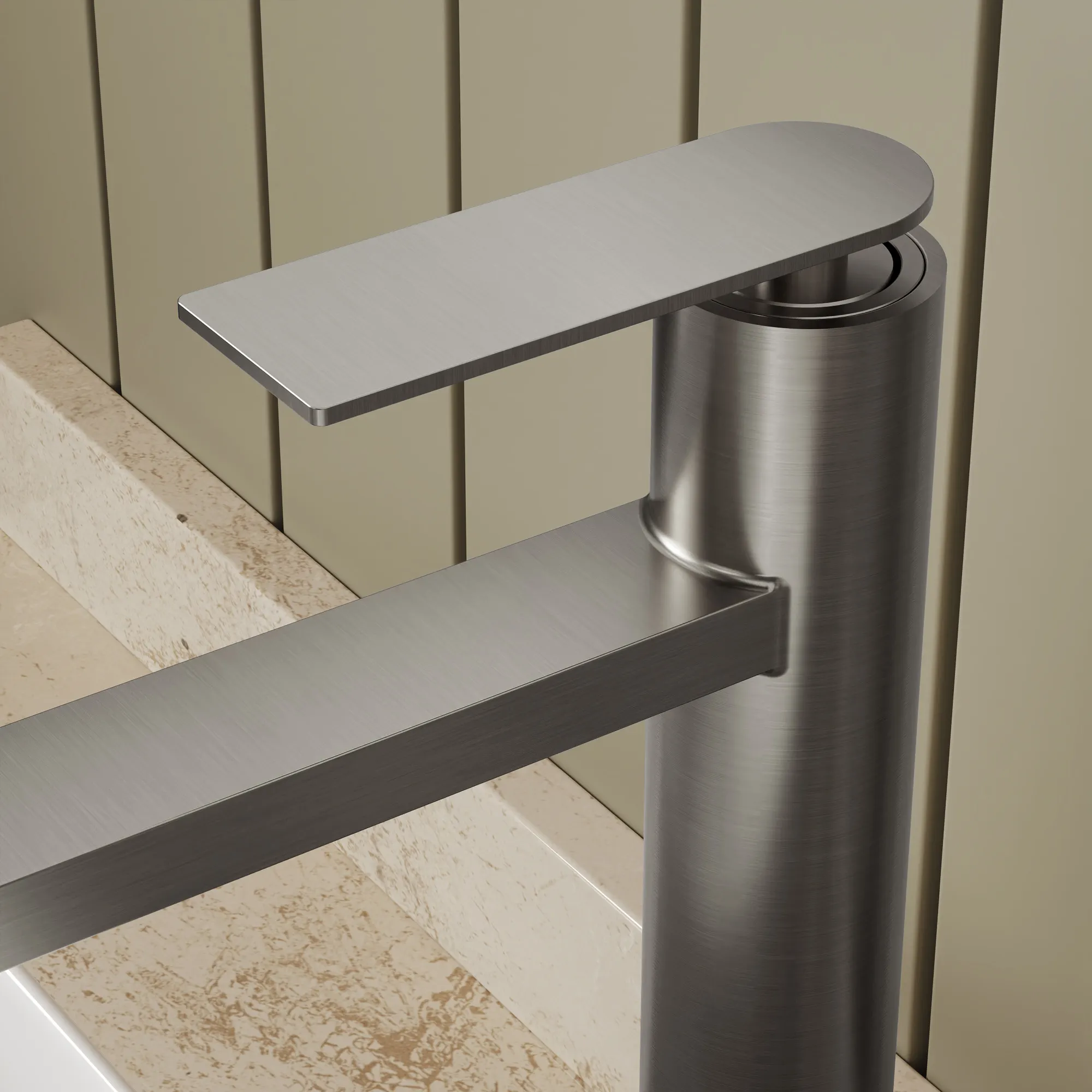
This is where brushed nickel really shines, ironically, by not shining. Its lightly brushed, low-gloss surface is a master of disguise. The texture diffuses light, making the very marks that stand out on chrome practically disappear. This simple difference makes brushed nickel a far more forgiving and low-maintenance option for high-traffic areas.
Upkeep for a Polished Chrome Faucet
Keeping a chrome faucet looking perfect is all about consistency, not elbow grease. The real goal is to stop mineral deposits from building up and to catch smudges before they settle in. A little bit of gentle, regular cleaning goes a lot further than a major scrubbing session every few weeks.
For daily care, a simple approach is best:
- Mix a 50/50 solution of white vinegar and water in a spray bottle.
- Lightly spray the faucet and let it sit for a minute. This will help dissolve any fresh water spots.
- Wipe it clean with a soft microfiber cloth, then grab a second dry cloth to buff it back to a brilliant shine.
The one thing you must avoid at all costs is abrasive cleaners or scouring pads. These will instantly scratch the delicate chromium plating, permanently dulling the finish and ruining its protective layer.
Maintaining a Brushed Nickel Finish
Brushed nickel’s big win is that it stays looking cleaner for longer, but it still needs a bit of care to keep its warm luster. Those fine, brushed lines can trap dirt over time if you let them, so a gentle routine is still key.
Most days, a soft cloth dampened with just water is all you need. For a deeper clean, a mild solution of dish soap and warm water is both safe and effective. Just wipe the surface down, rinse it well with clean water, and pat it dry to prevent any new water spots from forming.
Here’s a pro tip for brushed nickel: always wipe in the direction of the grain. This simple trick helps maintain the clean, linear look of the brushed finish and stops it from looking blotchy or smudged.
The Impact of Water Type
The type of water you have in your home can make a huge difference. If you live in an area with hard water—water with a high mineral content—you'll notice white, chalky deposits on your fixtures. While these show up on both finishes, they are glaringly obvious on chrome’s reflective surface. Brushed nickel’s matte finish does a much better job of camouflaging this mineral buildup, making it the clear winner for homes with hard water.
This real-world practicality is a major reason for its growing popularity. Brushed nickel faucets are quickly becoming a go-to alternative to chrome, especially in modern and transitional designs. Market trends show that homeowners are looking for finishes that blend sophisticated style with easier upkeep. With consumer interest in brushed nickel growing, it’s clear that people are prioritizing both beauty and convenience. You can dig deeper into faucet market trends on reanin.com.
Ultimately, choosing between the two comes down to a simple trade-off: are you looking for a high-impact shine you’re willing to maintain, or a more subtle elegance that asks for less of your time?
Breaking Down the Cost and Overall Value
Let's talk money. When you're choosing between brushed nickel and chrome, one of the first things you'll look at is the price. Your budget is a major player in this decision, so understanding what you're paying for—both today and down the road—is key to picking a faucet you'll love for years.
Out of the gate, chrome is almost always the more budget-friendly choice. This isn't because it's lower quality; it's simply a matter of manufacturing efficiency. Chrome has been a bathroom and kitchen staple for decades, and the electroplating process used to create that mirror-like shine is a well-oiled machine.
Because it's so common and efficient to produce, you'll find chrome faucets at every price point, from basic, affordable models to high-end designer fixtures. For anyone needing a tough, reliable, and stylish faucet without a big spend, chrome delivers fantastic value.
Why You'll Pay a Bit More for Brushed Nickel
Brushed nickel faucets, on the other hand, usually carry a slightly higher price tag. This boils down to a more involved manufacturing process. Getting that signature soft, matte look requires an extra step where the nickel is literally "brushed," and on higher-end models, a super-tough PVD (Physical Vapor Deposition) coating is often added.
Think of it this way: Chrome's affordability comes from efficient mass production. Brushed nickel's higher price reflects a more hands-on, labor-intensive finishing process. That extra cost is an investment in its unique look and, with PVD finishes, top-tier scratch resistance.
These extra steps result in a finish that many people feel looks more custom and luxurious, which helps explain the price difference.
Looking at Long-Term Value—It's Not Just the Sticker Price
The real value of a faucet finish isn't just about what you pay for it at the store. It's about how it holds up over time, factoring in what it takes to maintain it and how long it will look good.
When you zoom out and consider the long run, the cost gap between chrome and brushed nickel starts to shrink. Here’s a more complete way to look at it:
- The "Cost" of Cleaning: Chrome loves to show off every single fingerprint and water spot. This means you might find yourself wiping it down constantly or buying special cleaners to keep it gleaming. While the cost of a microfiber cloth is small, the time and effort add up. Brushed nickel hides those smudges, essentially "paying you back" with less elbow grease.
- Durability and Replacement: Both finishes are built to last. However, a deep scratch on a mirror-like chrome surface can stick out like a sore thumb. A quality PVD brushed nickel finish, by contrast, is exceptionally hard and scratch-resistant, which can mean it looks newer for longer, especially in a busy family kitchen. Spending a bit more upfront on a quality PVD brushed nickel faucet could save you from having to replace a scratched-up faucet sooner than you’d like.
So, which one offers better value? It really comes down to what you care about most. If keeping initial costs low is your top priority, chrome is an unbeatable workhorse that offers incredible bang for your buck. But if your idea of value includes less daily maintenance and a warm, modern style, the slightly higher price of a quality brushed nickel faucet is a solid investment in convenience and long-term happiness.
How to Make Your Final Decision
So, you’ve weighed the appearance, durability, maintenance, and cost. Now what? Choosing between brushed nickel and chrome really boils down to what matters most to you. It’s about matching the faucet's personality to your lifestyle, your design eye, and your daily routine. The right choice should feel like it was always meant to be in your home, not just another piece of hardware.
Think of it as a simple give-and-take. Chrome delivers that brilliant, classic shine and usually comes with a friendlier price tag, but you'll need to wipe it down regularly to keep it looking sharp. On the other hand, brushed nickel offers a softer, more contemporary warmth and is a champion at hiding fingerprints and water spots—perfect for a busy kitchen or family bathroom, though it often costs a bit more upfront.
If you’re a visual person, this little decision tree breaks it down to the two most common priorities: budget or low-maintenance living.
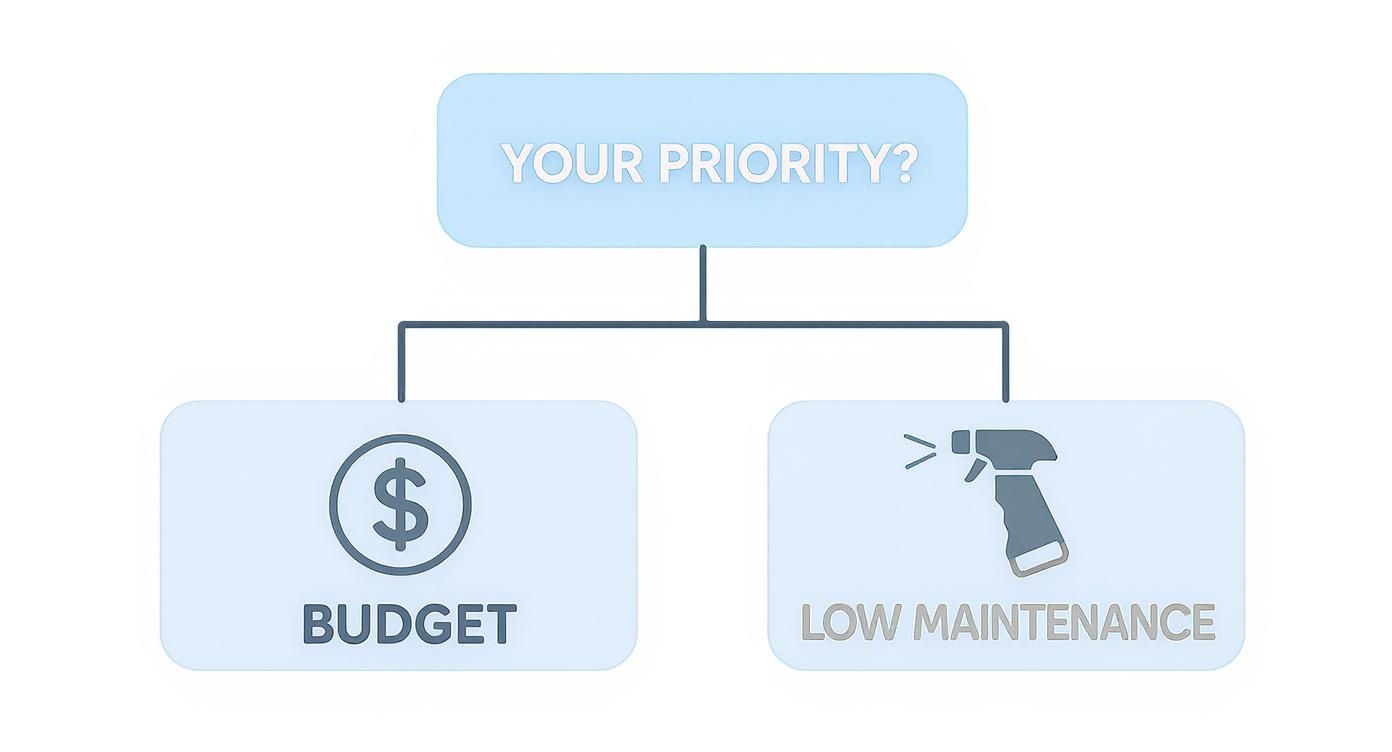
It’s a straightforward way to see which finish aligns with your biggest need, whether that's saving money or saving time on cleaning.
A Checklist for Choosing Your Finish
To really nail down your decision, run through these quick questions. Be honest with your answers, and the right finish will practically choose itself. This ensures you’ll be happy with your faucet for years, not just for the first few weeks.
-
What's my home's style?
- Chrome is the go-to for modern, minimalist, and even retro or art deco designs. Its mirror-like shine plays well with clean lines and bold looks.
- Brushed nickel feels right at home in transitional, traditional, and farmhouse kitchens or baths. Its muted luster complements wood tones, natural stone, and warmer color palettes.
-
How much do I really want to clean?
- If a quick daily wipe to keep things sparkling doesn’t bother you, chrome is a fantastic choice.
- If the idea of seeing smudges and water spots makes you cringe, brushed nickel is your best friend. It’s the definition of low-maintenance.
-
What’s my budget?
- If you're looking for great value and proven durability without breaking the bank, chrome is tough to beat.
- If you’re willing to invest a little more for long-term convenience and a warmer, more forgiving finish, the extra cost for brushed nickel is often well worth it.
In the end, the best faucet is the one you won't regret. If smudges and fingerprints will drive you crazy, go with brushed nickel. If you dream of that brilliant, classic shine and are happy to maintain it, chrome is your answer.
By looking at your choice through the lens of style, maintenance, and budget, you can pick a faucet that doesn't just look great but truly fits the way you live.
Frequently Asked Questions
Even with a detailed comparison, you might still be weighing a few specific scenarios. Let's tackle some of the most common questions homeowners have when choosing between brushed nickel and chrome.
Can I Mix Brushed Nickel and Chrome Fixtures in the Same Room?
You absolutely can, and when done right, it looks fantastic. Mixing metals adds a sophisticated, layered feel to a room, but the trick is to do it with a clear strategy.
Think in terms of a dominant and an accent finish. For instance, you could choose brushed nickel for the major players—your sink faucet and shower system—and then bring in polished chrome for smaller details like cabinet knobs, towel hooks, or the light fixture. This approach creates a deliberate, professional-looking contrast between the warm, soft look of nickel and the cool, bright pop of chrome.
Which Finish Is Better for Hard Water Areas?
If you live in a hard water area, brushed nickel is almost always the more practical choice. Its slightly matte, textured surface is a lifesaver when it comes to hiding the chalky spots and mineral residue that hard water leaves behind.
Chrome is tough and won't corrode, but its mirror-like shine puts every single water spot on full display. You’ll find yourself wiping it down constantly just to keep it looking clean. If you want a lower-maintenance bathroom or kitchen, brushed nickel is definitely the way to go.
While both finishes are durable enough to handle hard water without damage, brushed nickel's ability to camouflage spots means it stays looking better with far less effort. It's a real time-saver.
Does Brushed Nickel Tarnish or Change Color Over Time?
That's a valid concern, especially if you've seen older nickel fixtures. However, today's high-quality brushed nickel is a different beast entirely. Reputable brands use an advanced coating process called PVD (Physical Vapor Deposition), which makes the finish incredibly resistant to tarnishing, fading, and discoloration.
Modern brushed nickel is designed to hold its warm, subtle sheen for the long haul. Just stick to gentle, pH-neutral cleaners and soft cloths, and avoid harsh abrasives. When you buy from a trusted manufacturer, you can be confident that the finish will look just as good in ten years as it does on day one.
Ready to find a fixture that perfectly marries timeless style with everyday performance? At GRANDJOY, we’ve curated a premium selection of faucets in both flawless chrome and elegant brushed nickel, all cUPC certified for quality you can trust. Explore our collections and discover the ideal finish to bring your vision to life.


Leave a comment
This site is protected by hCaptcha and the hCaptcha Privacy Policy and Terms of Service apply.