

The right rain shower system can do more than just get you clean—it can turn a daily chore into a genuinely rejuvenating escape, blending the luxury of a spa with stunning modern design. These systems are all about their large, overhead shower heads, which are designed to mimic the soft, widespread feel of a warm summer rain.
Why a Rain Shower System Is the Ultimate Bathroom Upgrade
Imagine this: you step into your shower, and instead of a harsh, narrow jet of water, you’re met with a gentle cascade that washes away the day's stress. This isn't just a fantasy reserved for a five-star resort; it's what the best rain shower systems bring into your home every single day. They’re more than just plumbing—they're a real investment in your personal well-being and your home's value.
The rain shower head is the heart of the whole experience. It's engineered for broad, even coverage that feels completely different from a traditional shower head, which usually shoots out a concentrated, high-pressure stream. The result is a much calmer, more immersive flow that transforms a quick rinse into a moment of pure relaxation.
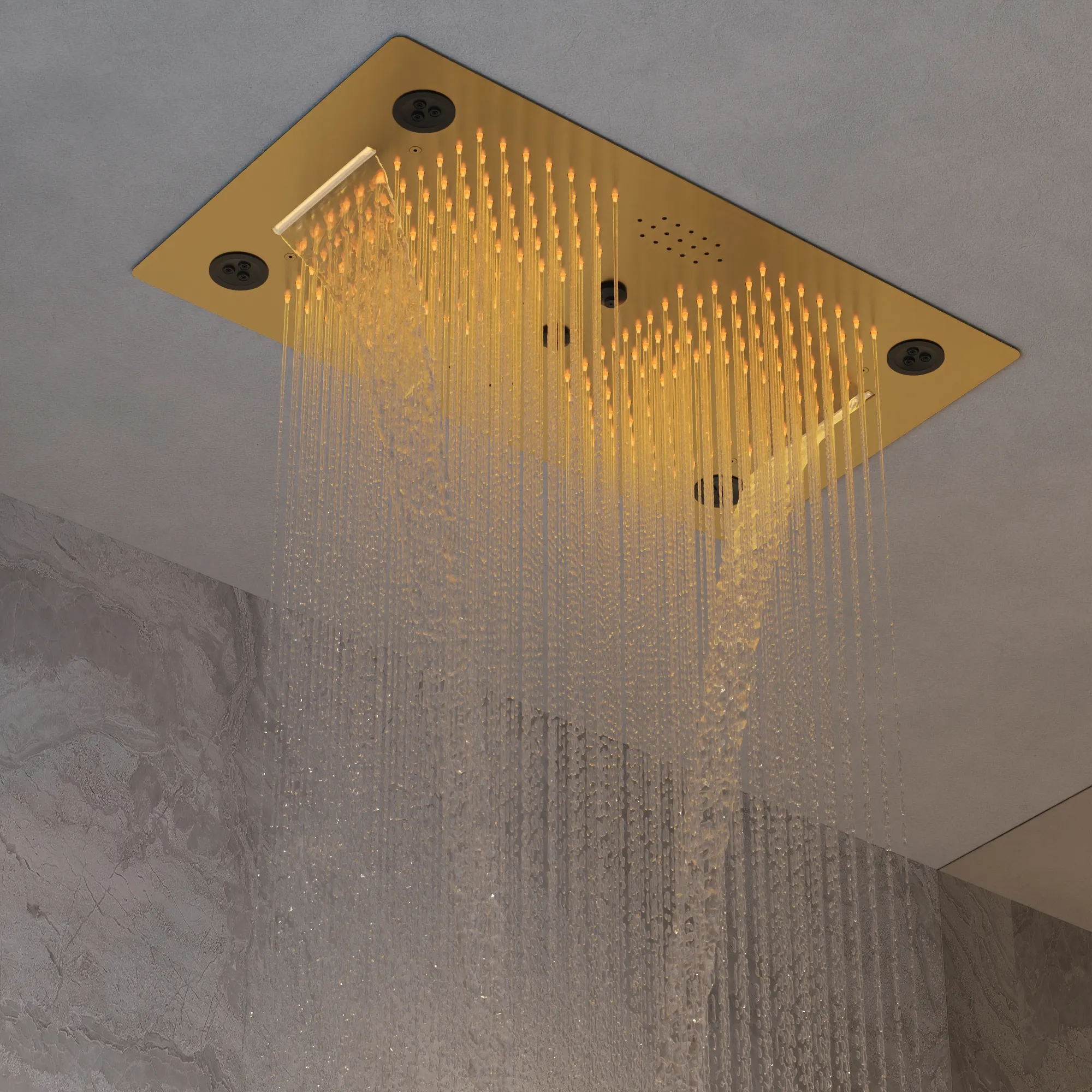
More Than Just a Shower
What started as a niche luxury item found only in high-end spas has quickly become one of the most requested features in modern home renovations. It’s a clear sign that people want their homes to be more than just functional spaces; they want them to be personal sanctuaries.
The numbers back this up, too. The global shower systems market, valued at about USD 7.46 billion in 2022, is on track to hit an estimated USD 16.73 billion by 2032. This incredible growth, detailed in recent industry analysis, shows just how much homeowners are prioritizing upgrades that make daily life better.
By upgrading to a rain shower system, you are not just installing a new fixture. You are creating a dedicated space for relaxation, de-stressing, and mental clarity within your own home.
Benefits You Can Feel Every Day
The allure of a rain shower system isn't just about its calming effect. The benefits are practical, tangible, and noticeably improve the entire bathroom environment. People who make the switch almost universally say it makes their daily routine more satisfying.
Here are a few of the key advantages:
- Total Body Coverage: Thanks to the large surface area of the shower head, your entire body is enveloped in a consistent flow of water. No more cold spots or constant shuffling around to get rinsed off.
- Aesthetic Enhancement: A sleek, modern rain shower system acts as a stunning focal point, instantly elevating your bathroom's entire look and feel.
- Increased Home Value: It’s no secret that bathroom renovations offer one of the best returns on investment. A desirable, spa-like feature like a rain shower system can be a major selling point for potential buyers down the line.
Breaking Down a Rain Shower System: What's Inside?
Before you can pick the right rain shower system, you need to know what you’re actually looking at. Think of it less like a single fixture and more like a team of components, where each part has a specific job. When they all work together seamlessly, you get that perfect, spa-like shower.
Understanding how these pieces fit together is the key to decoding product descriptions and choosing a setup that truly delivers. Let’s pull back the curtain and look at the essential parts that make up a complete system.
The Overhead Rain Shower Head: The Main Event
This is the part everyone dreams of—the big, luxurious shower head that defines the whole experience. Unlike a standard head that shoots a concentrated stream of water, the overhead rain shower head is all about wide, gentle coverage. They’re much larger than what you’re probably used to, typically ranging from 8 to 12 inches across, and sometimes even bigger.
The idea here isn't to blast you with high pressure. It’s to drench you completely, letting water fall over your entire body just like natural rain. This is where that calming, immersive feeling comes from, giving you a thorough rinse without the sharp, stinging spray of smaller heads.
The Handheld Shower Wand: The Practical Workhorse
While the overhead rain head delivers the luxury, the handheld shower wand brings the practicality. It's connected to a flexible hose, giving you a level of control and freedom a fixed head just can't match.
Honestly, once you have one, you’ll wonder how you ever lived without it. It’s perfect for all those little things that make life easier:
- Targeted Rinsing: Makes quick work of washing long hair or rinsing off specific areas.
- Easy Cleaning: Spraying down shower walls and doors becomes a breeze, keeping your bathroom sparkling.
- Assisted Bathing: It’s an absolute game-changer for bathing kids, washing pets, or for anyone who needs to sit while showering.
That’s why you’ll find a handheld wand included in nearly every top-tier rain shower system. It’s the perfect blend of indulgent relaxation and everyday utility.
The Shower Valve: The Brains of the Operation
Tucked away behind the wall, the shower valve is the unsung hero of your system. It’s the component that controls both water temperature and flow, and its performance has a massive impact on the quality—and safety—of your daily shower. There are two main types you’ll encounter.
The Bottom Line: The valve is probably the most critical part of the whole setup for your comfort and safety. A good one protects you from sudden temperature spikes and keeps the water flow consistent and enjoyable.
Pressure-balanced valves are the most common and budget-friendly choice. They work by monitoring the pressure balance between the hot and cold water lines. If someone flushes a toilet elsewhere, the valve senses the drop in cold water pressure and instantly reduces the hot water flow to match. No more scalding surprises.
Thermostatic valves, on the other hand, are a significant upgrade. Instead of just balancing pressure, they maintain the water at a precise temperature you set beforehand, no matter what happens with the water pressure. This means your shower stays exactly at your perfect temperature from start to finish. It’s a higher level of comfort and safety, and a fantastic feature for homes with kids or older adults.
How to Choose the Right Rain Shower System
So, you're ready to bring that spa-like rainfall experience home. Fantastic. But picking the right system is about more than just finding a pretty fixture; it's about matching the hardware to your home's unique layout and plumbing. It's a dance between aesthetics, your bathroom's dimensions, and what your pipes can handle.
Getting this right means thinking through a few key things upfront. We’ll walk through the essentials to make sure you land on a system that not only looks great but delivers that perfect drenching shower you’re dreaming of.
Assess Your Bathroom Space and Dimensions
First things first, take a look at your shower stall. The size of your rain shower head should feel right for the space. A massive 12-inch head in a tiny 3x3 foot stall is going to feel cramped and splash water everywhere. On the other hand, a small 8-inch head can look completely lost in a large, open walk-in shower.
Ceiling height is another big one, especially if you have your heart set on a ceiling-mounted system. A standard eight-foot ceiling is usually fine, but higher ceilings give you more room to play with positioning for that perfect, gravity-fed feel. If you have lower ceilings, don't worry—a wall-mounted model with a high-arc extension arm can give you a very similar overhead experience without tearing into your ceiling.
This little decision tree can help you figure out the best starting point.
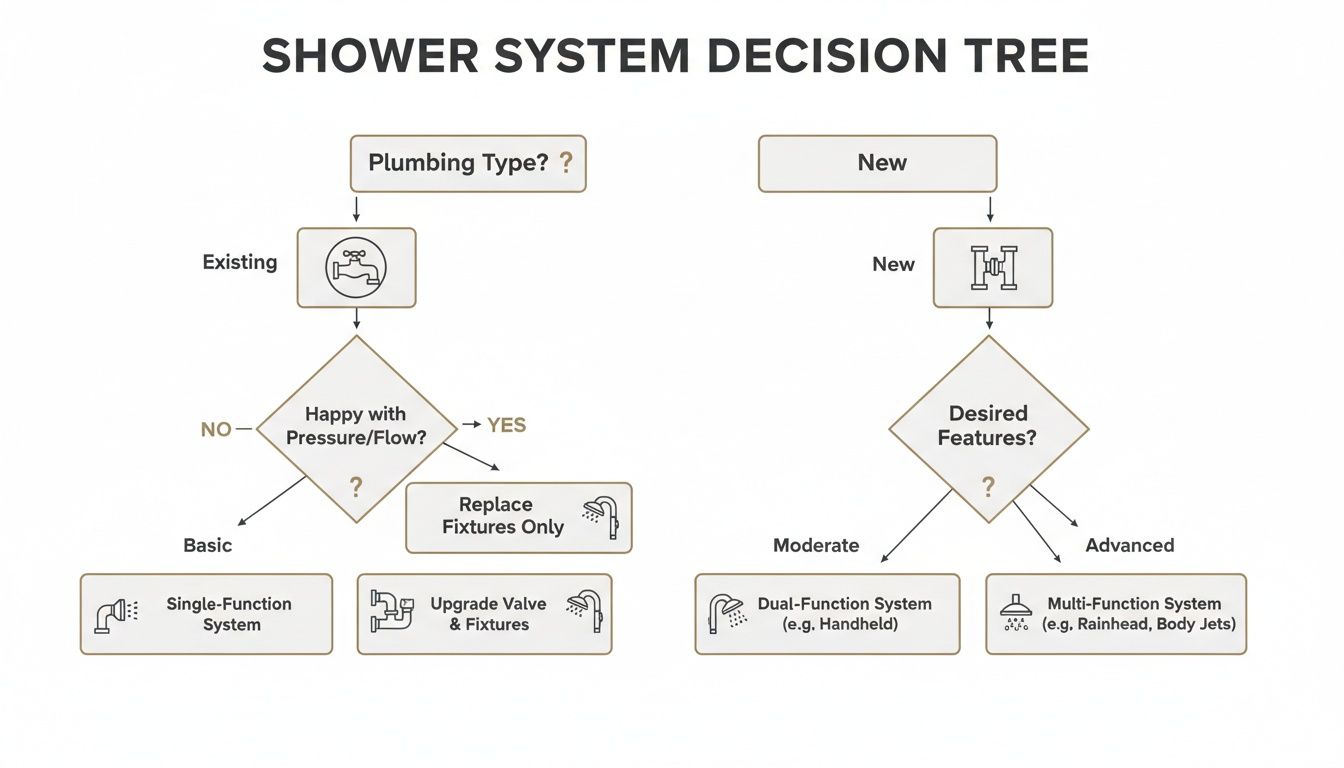
As you can see, the first question is always about your plumbing: are you working with what you’ve got, or are you starting from scratch? Your answer will point you in the right direction.
Evaluate Your Home’s Water Pressure
There's nothing more disappointing than installing a beautiful, oversized rain shower head only to get a sad little trickle. The usual suspect? Low water pressure. Most of these systems need at least 40 to 60 PSI (pounds per square inch) to really perform as intended.
You can avoid this common pitfall with a simple, inexpensive water pressure gauge from any hardware store. It only takes a few minutes to test your pressure, and it’s the best way to know for sure what your home can handle.
If your pressure comes in on the low side, you still have options. Many of the best systems are designed with low pressure in mind. Look for features like air-infusion or pressure-boosting technology. These clever designs mix air into the water stream, which makes the droplets feel bigger and fuller, giving you that satisfying drenching sensation without needing a major plumbing overhaul.
Match the System to Your Plumbing
Your current plumbing is the roadmap for this project. For most people just looking for a simple upgrade, a wall-mounted rain shower system is the path of least resistance. These are designed to connect to the existing water outlet where your old shower head was, making it a pretty straightforward weekend project.
A ceiling-mounted rain shower system, however, is a different beast. While it delivers the most authentic downpour, it’s a much bigger job. It requires running a new water line up the wall and across the ceiling, which is work best left to a professional plumber. This is a great choice if you're building a new home or in the middle of a gut renovation where the walls are already open.
Knowing the difference will save you from a lot of frustration and unexpected bills down the line.
Comparing Key Features of Rain Shower Systems
To help you sort through the options, it’s useful to see the core components side-by-side. Use this comparison to select the ideal rain shower system based on performance, durability, and style.
| Feature | Option A | Option B | What to Consider |
|---|---|---|---|
| Mounting Type | Wall-Mounted | Ceiling-Mounted | Wall-mounted is easier to install and works with most existing plumbing. Ceiling-mounted provides a more authentic overhead experience but requires professional installation. |
| Valve Type | Pressure-Balanced | Thermostatic | Pressure-balanced valves are cost-effective and prevent scalding. Thermostatic valves offer precise temperature control for a more consistent and luxurious shower. |
| Material | Stainless Steel | Solid Brass | Stainless steel offers a modern look and excellent corrosion resistance. Solid brass is exceptionally durable, has natural antimicrobial properties, and is a hallmark of premium fixtures. |
| Head Shape | Round | Square | Round heads provide a classic, concentrated rainfall pattern. Square heads offer a contemporary aesthetic and can provide slightly broader shoulder-to-shoulder coverage. |
Ultimately, breaking down the system into these individual parts makes it much easier to decide what matters most to you and find the perfect fit for your bathroom.
Why the Materials in Your Shower System Are Everything
It's easy to get drawn in by a rain shower system's beautiful finish or impressive size. We've all been there. But what truly separates a fixture that you'll love for years from one that becomes a leaky disappointment is what's underneath that shiny surface.
Think of it as a long-term investment in your daily routine and your home's value. That’s why getting serious about materials like solid brass and stainless steel isn’t just a "nice-to-have"—it's a must. These are the building blocks of a shower system that won't let you down.
Why Brass and Stainless Steel Reign Supreme
In the world of plumbing, solid brass and 304 stainless steel are the undisputed champions, and for good reason. They might look similar to cheaper options at first glance, but they are built to handle the constant humidity and heat of a shower environment.
Solid brass, a blend of copper and zinc, is famous for its toughness and natural ability to fight off corrosion. It simply won't rust, and it can handle wild temperature swings without cracking. Likewise, 304 stainless steel, with its chromium and nickel content, creates its own invisible shield that stops rust and stains in their tracks, keeping your fixture looking brand new.
Choosing a system made from solid brass or stainless steel is more than an aesthetic choice. It’s a commitment to quality that lasts, ensuring your shower remains a reliable centerpiece in your bathroom for years to come.
The Hidden Dangers of Cheaper Materials
You'll find plenty of budget-friendly shower systems out there, many of which use a plastic core wrapped in a thin metallic coating. They look great in the box and are certainly easier on the wallet, but this is a classic case of "you get what you pay for." That finish is notorious for chipping, flaking, or peeling away, revealing the cheap plastic underneath.
Even worse are the functional headaches. Plastic components are far more likely to crack under normal water pressure or develop tiny leaks over time, which can lead to serious water damage behind your walls. By choosing a system built from solid metal, you sidestep all these potential disasters and get a far better, more reliable shower experience.
The growing desire for a spa-like retreat at home has really pushed the demand for fixtures that are both beautiful and built like a tank. It’s no surprise that the luxury plumbing market is expected to grow from USD 24.7 billion in 2025 to USD 38.4 billion by 2035. This trend highlights why smart homeowners and top-tier manufacturers insist on premium brass and stainless steel.
How Better Materials Mean a Safer, Better-Performing Shower
The quality of the metal in your shower system directly affects how well it works and, more importantly, how safe it is. Solid brass and stainless steel provide the strength needed to hold up a large, heavy rain shower head securely, so you never have to worry about it failing.
Material quality is also tied directly to your water quality.
- Lead-Free Peace of Mind: Reputable systems made from high-grade brass are certified to be lead-free. This ensures the water you and your family shower in is pure and safe.
- Proof of Performance: The best systems will have certifications like cUPC. This mark is your guarantee that the fixture meets strict North American safety and performance standards, including the Uniform Plumbing Code (UPC).
These certifications aren't just fancy labels; they prove the product has been rigorously tested for everything from durability and flow rate to material safety. Opting for a certified, well-made system is a smart move for your home and your family's health.
Key Features That Turn a Shower Into a Spa
So, what really separates a decent shower from an unforgettable one? It’s not just about a bigger shower head. The magic is in the thoughtful engineering that transforms a daily chore into a genuinely luxurious escape. The best rain shower systems are packed with features designed for comfort, safety, and a personalized experience.
One of the most critical upgrades you can make is a thermostatic valve. Think of it as cruise control for your water temperature. You set your ideal warmth, and the valve works tirelessly behind the scenes, automatically mixing hot and cold water to hold it steady. This means no more surprise blasts of icy water or scalding heat when someone else in the house flushes a toilet or starts the dishwasher.
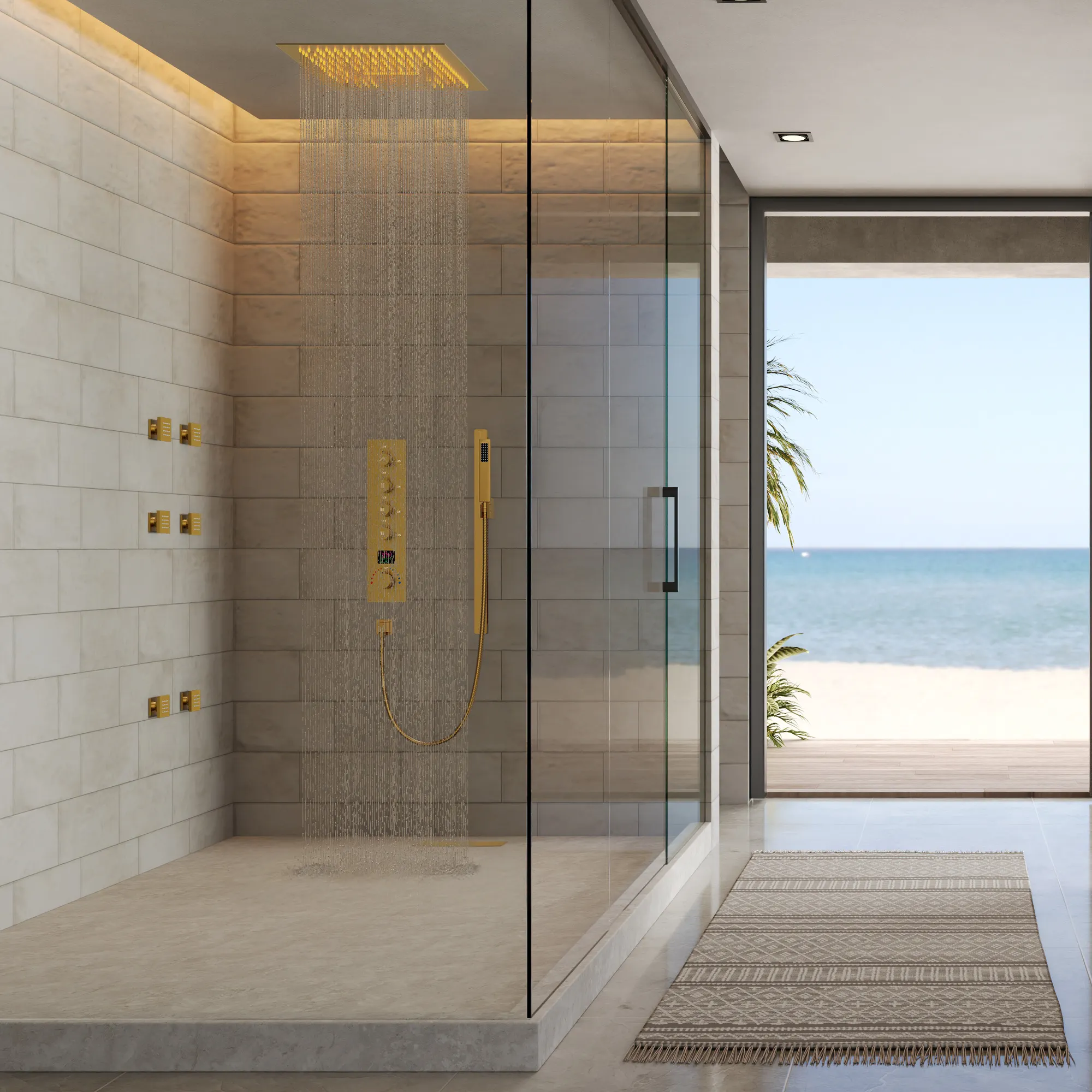
It’s a game-changer for consistency and safety, making it an almost non-negotiable feature for households with young kids or elderly family members.
Tailoring the Water to Your Mood
Beyond keeping the temperature stable, modern systems let you completely customize the feel of the water. This is where a simple rinse becomes a true therapeutic session, allowing you to match the spray pattern to whatever your body needs that day.
With the push of a button or the turn of a handle, you can completely change your shower's personality.
- Gentle Rainfall: The classic, calming experience. This setting provides a wide, soft drench that feels just like a warm summer rain.
- Concentrated Massage: Need to work out a knot in your shoulder? This powerful, pulsating stream targets sore muscles and eases tension.
- Misting Function: Creates a fine, gentle spray that envelops you in a cloud of steam-like mist. It's incredibly relaxing and great for opening up your pores.
Having these options, often on both the main overhead and a handheld wand, gives you incredible versatility. Your shower is no longer just for getting clean; it's a personal wellness hub.
A truly great rain shower system anticipates your needs. It offers the power to invigorate you in the morning and the gentleness to soothe you at night, all within a single, elegant fixture.
The Rise of Smart Shower Tech
The newest wave of innovation brings digital precision right into your shower stall. Integrated digital displays are becoming a signature feature on premium systems, giving you instant feedback and effortless control. These waterproof screens show you the exact water temperature, so you can step in knowing it’s perfect every time.
Some high-end models go even further, letting you digitally control spray patterns and flow rates. This isn't just a gimmick; it's part of a larger trend toward smart home features that blend luxury with practicality. As the U.S. Environmental Protection Agency noted, with an estimated 220 million shower heads in U.S. homes as of 2022 and roughly 10% being replaced each year, there's a huge opportunity to upgrade to smarter, more efficient technology.
Ultimately, it’s this combination of thermostatic control, versatile spray functions, and smart digital integration that sets the best rain shower systems apart. They work together to create an experience that is safer, more personal, and infinitely more enjoyable than you ever thought a shower could be.
Installation Tips for Flawless Performance
So, you’ve picked out the perfect rain shower system. That’s the fun part. Now comes the step that separates a box of premium parts from a truly spa-like experience: the installation. Getting this right is everything. A rushed or sloppy setup can lead to all sorts of headaches—think weak water pressure, annoying drips, or worse, hidden leaks behind your wall.
Whether you're a confident DIYer or you plan on calling in a pro, knowing what a proper installation involves is crucial. This is your roadmap to making sure your new shower performs exactly the way it was meant to.
To DIY or Hire a Professional
This is your first big decision. Can you tackle this yourself, or is it time to call a licensed plumber?
Let’s be realistic. Swapping out a standard wall-mounted shower head is one thing. But installing a full rain shower system, especially one that mounts from the ceiling, is a whole different ballgame. It often involves more than just unscrewing the old and screwing in the new.
If your new setup includes body sprays, a thermostatic valve, or requires new plumbing lines to be run up into the ceiling, my advice is simple: hire a professional. A good plumber will make certain every connection is leak-proof, secure, and up to local building codes. It's about protecting your home and your investment.
Professional installation is highly recommended for any system that requires altering the plumbing behind your walls. The peace of mind that comes from knowing it's done correctly is well worth the cost, preventing potential water damage down the line.
Your Pre-Installation Checklist
Before you (or your plumber) even think about picking up a tool, a little prep work can save you a world of trouble. A few minutes of checking now can prevent hours of frustration later.
- Verify Water Pressure: We’ve talked about this, but it’s worth repeating. Most rain shower systems need between 40 to 60 PSI to give you that immersive, drenching spray. You can easily test this yourself with a pressure gauge from the hardware store—just attach it to an outdoor spigot.
- Check Plumbing Compatibility: Make sure the new system will actually connect to your existing pipes. The standard in the U.S. is a 1/2-inch NPT connection, but it never hurts to confirm this on both your new fixture and your current plumbing.
- Inspect All Components: The moment your system arrives, unbox it carefully and lay everything out. Compare all the parts to the inventory list in the manual. The last thing you want is to discover a missing or damaged piece midway through the installation.
Simple Maintenance for Lasting Luxury
Once your new shower is up and running, a tiny bit of maintenance will keep it feeling luxurious for years to come. The biggest culprit for performance issues is mineral buildup from hard water, which clogs the nozzles and turns your beautiful, even spray into a weak, sputtering mess.
Thankfully, the fix is incredibly easy. Most modern rain shower heads have soft, rubberized nozzles for this very reason. To clear away any buildup, just gently rub your fingers across the nozzles while the water is on. This simple action is usually all it takes to dislodge the mineral deposits and get that full, perfect flow back.
Still Have Questions? Let’s Clear Things Up
It’s completely normal to have a few questions floating around even after you've narrowed down your choices. Getting those last few details sorted is often the final step before you can confidently pick the right rain shower system. To help you get there, we’ve put together answers to some of the most common questions we hear from homeowners.
Do Rain Showers Really Use More Water?
It definitely feels like a downpour, but you might be surprised to learn that's often just a clever illusion. Many of the best rain shower systems today are designed with water conservation in mind. They incorporate something called air-infusion technology, which pulls air into the water stream.
This process makes each water droplet feel bigger and fuller, giving you that incredible drenching sensation without actually using more water. The key is to check the GPM (gallons per minute) rating. A system rated at 2.5 GPM or less meets U.S. federal standards, so you can get that spa-like experience without the guilt or the high water bill.
Is My Water Pressure Good Enough for a Rain Shower?
This is a big one. Your home's water pressure is what powers the whole experience. For a rain shower to feel truly invigorating, you'll generally need between 40 and 60 PSI. If your pressure is on the low side, a massive shower head might just lead to a weak, unsatisfying dribble.
Before you buy anything, the smartest move is to test your water pressure. You can grab an inexpensive pressure gauge at any hardware store. This one simple test will tell you exactly what you're working with and help you choose a system that's guaranteed to perform well in your home.
If you discover your pressure is low, don't sweat it! You can still get that rainfall feeling. Just look for a smaller shower head—something around 8 inches—or find a model specifically built to work well in low-pressure homes.
Can I Install One of These Myself?
That really depends on what you're installing. If you're just swapping out your old, standard shower head for a new wall-mounted rain shower head, it's often a pretty simple DIY job. Most people with a bit of confidence and basic tools can handle it, as these just screw onto the existing shower arm.
On the other hand, if you're dreaming of a full system with a ceiling-mounted head, body jets, and a new valve, that's a whole different ballgame. That kind of project involves running new pipes in your walls and ceiling. For an installation that complex, we highly recommend calling a licensed plumber. It’s the best way to make sure it’s done right, meets local codes, and won't cause any expensive leaks down the road.
Ready to transform your daily routine into a moment of pure relaxation? At GRANDJOY, we offer a curated collection of cUPC-certified rain shower systems crafted from premium solid brass and stainless steel, ensuring lasting quality and flawless performance. Explore our designs and find the perfect centerpiece for your bathroom at GRANDJOY.


Leave a comment
This site is protected by hCaptcha and the hCaptcha Privacy Policy and Terms of Service apply.