

Often, the best way to unclog a shower drain naturally is with a simple duo you already have in your kitchen: baking soda and vinegar. A quick pour of each, followed by a hot water flush, can work wonders on the common gunk that builds up from soap scum and hair, all without bringing harsh chemicals near your plumbing.
Why Natural Clog Removal Is Essential for High-End Bathrooms
Nothing ruins the serene, spa-like feel of a beautiful bathroom faster than a slow-draining shower. Your first instinct might be to reach for a heavy-duty chemical drain cleaner, but that's a move you might seriously regret, especially when you've invested in premium fixtures.

Protect Your Premium Fixtures
Think about the materials in your shower. High-end systems often use solid brass or stainless steel and feature gorgeous, yet delicate, finishes like brushed nickel, matte black, or polished gold. The aggressive chemicals in conventional drain openers are corrosive and can permanently etch, discolor, or even strip these beautiful surfaces.
What starts as a simple clog can quickly become a costly fixture replacement project. By sticking with gentle, natural methods, you're choosing to preserve your investment and keep your bathroom looking pristine. These solutions are designed to dissolve the blockage without damaging the elegant hardware you've so carefully selected.
Understanding the Common Culprits
Most shower clogs aren't a surprise event; they’re the result of a slow, steady accumulation of stuff going down the drain every day. Knowing what you're up against is the first step in getting things flowing again. The usual suspects are:
- Hair: This is the number one offender. It tangles up and acts like a net, catching everything else that tries to pass by.
- Soap Scum: That waxy residue from bar soaps and body washes loves to combine with hard water minerals, creating a stubborn film that sticks to the inside of your pipes.
- Mineral Deposits: If you have hard water, the calcium and magnesium buildup can slowly narrow your pipes over time, making clogs more likely.
This guide is all about tackling these issues with safe, eco-friendly techniques. You'll get your shower draining perfectly without sending harmful substances through your home's plumbing or into the environment.
Homeowners are putting more thought into quality drainage infrastructure than ever before, a trend that goes hand-in-hand with luxury bathroom design. Choosing the right maintenance approach is just as crucial as selecting the fixtures themselves.
The market certainly backs this up. The global residential shower drains market shows just how much homeowners are investing in durable, well-designed bathroom elements. With that kind of investment on the line, using gentle, non-corrosive cleaning methods isn't just a suggestion—it's a necessity.
Getting Your Natural Drain Cleaning Toolkit Ready
Before you even think about tackling that slow-draining shower, let’s talk about getting prepared. Having the right tools within arm's reach is the difference between a quick fix and a day-long headache.
The best part? You probably won't need a trip to the hardware store. Most of what you need to get started is likely hiding in your kitchen cabinets right now.
The Household Basics for Minor Clogs
For the everyday clogs—those frustrating mix-ups of soap scum and hair that slow things down—your go-to solutions are simple but surprisingly effective.
- Baking Soda & White Vinegar: This is the classic, non-toxic power couple. When they combine, the fizzing reaction works wonders at breaking down gunk and greasy buildup without harming your pipes or premium finishes.
- Boiling Water: Don't underestimate the power of a kettle of hot water. It’s the perfect follow-up to flush out all the debris you’ve just loosened up.
- Protective Gloves: Trust me on this one. You’ll be glad you have a pair of rubber gloves when you start clearing out that initial layer of muck.
- Screwdriver: Most shower drain covers are just held in by one or two screws. A standard Phillips-head or flat-head screwdriver is usually all you need to get access.
I can't tell you how many times people just pour ingredients down the drain and hope for the best. Always take a minute to remove the drain cover and pull out any visible hair first. Giving your solution a clear path to the real blockage makes all the difference.
Stepping It Up for Stubborn Blockages
Every now and then, you’ll run into a clog that just laughs at baking soda and vinegar. When that happens, you need to bring in some slightly more specialized gear. These are fantastic tools to have in your home maintenance arsenal.
- Plumber’s Snake (Drain Auger): This flexible tool is a game-changer. You can feed it deep down the pipe to physically break apart a stubborn clog or, even better, pull it right out. It's my go-to for blockages that are further down the line.
- Wet/Dry Vacuum: This might sound unconventional, but a shop vac is a secret weapon for drain cleaning. Set it to the "wet" function, create a good seal around the drain opening, and its powerful suction can often pull the entire clog right up and out.
To make it even easier to see what you need at a glance, here’s a quick-reference guide to the tools we've discussed.
Essential Tools for Natural Drain Cleaning
This table breaks down the right tool for the right job, so you can grab what you need and get started.
| Tool/Material | Primary Use | Best For |
|---|---|---|
| Baking Soda & Vinegar | Creates a fizzing reaction to dissolve buildup | Minor clogs from soap scum, light hair, and grime |
| Boiling Water | Flushes loosened debris through the pipes | The final step after any treatment to clear the line |
| Protective Gloves | Keeps hands clean and protected | Removing the initial gunk from the drain opening |
| Screwdriver | Removes the drain cover for access | Gaining entry to the drainpipe itself |
| Plumber’s Snake | Physically breaks apart or retrieves clogs | Deep, compacted hair clogs and stubborn blockages |
| Wet/Dry Vacuum | Sucks the clog material out of the pipe | When you need to pull a blockage upward instead of pushing it down |
Having these items ready before you start will help you move through the process efficiently and handle whatever that drain throws at you.
Natural Ways to Get Your Shower Drain Flowing Freely
When you notice water pooling around your ankles, it's a clear sign your shower drain needs attention. Before you reach for a bottle of harsh chemical drain cleaner—which can be tough on both your pipes and your high-end finishes—let’s look at some surprisingly effective natural methods.
Most of the time, all you need are a few common household items and a little bit of effort to solve the problem.
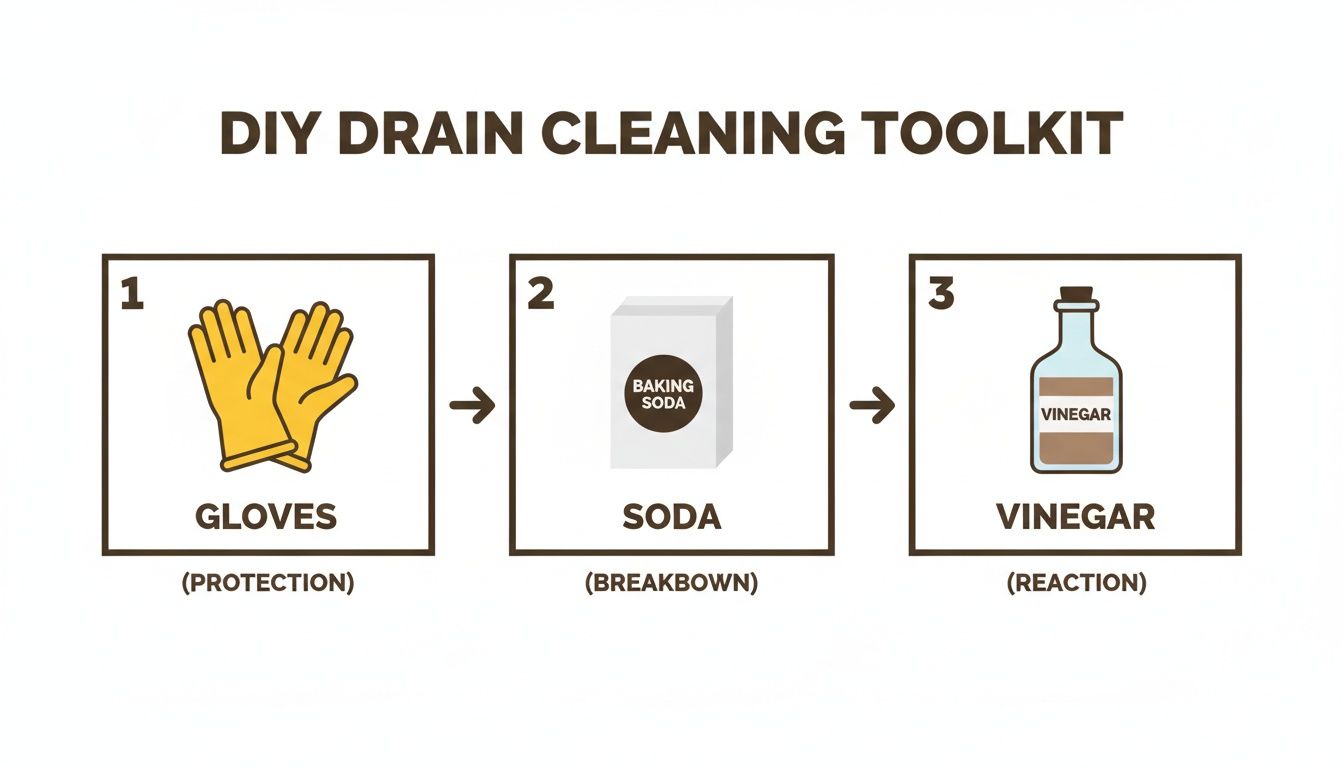
We're going to explore how to put these simple tools to work, along with a few other clever techniques, to handle everything from a slow drain to a stubborn blockage. The goal is always to be tough on the clog but gentle on your bathroom.
Start with a Simple Hot Water Flush
Your first line of attack should always be the simplest. A blast of hot water is fantastic for melting away the greasy buildup from soap scum and conditioner residue that often causes slow drains.
Just boil a kettle of water and carefully pour it straight down the drain. For minor clogs, this heat shock is often enough to loosen things up and get the water moving again.
A quick word of caution, though. Metal pipes can take the heat just fine, but boiling water is a bit too hot for PVC pipes. They're typically only rated for temperatures up to 140°F (60°C). If you’re not sure what kind of pipes you have, play it safe and use the hottest water from your tap instead.
The Go-To Combo: Baking Soda and Vinegar
This classic duo is a staple for a reason—it’s a safe, effective powerhouse. The fizzy reaction between the baking soda and vinegar works like a mini pressure washer inside your pipes, scrubbing away grime without corrosive chemicals.
Here’s how I get the best results:
- First, pop off the drain cover and use a gloved hand or pliers to pull out any hair you can see. This clears the way for the solution to get to the real problem.
- Next, pour about one cup of baking soda right into the drain.
- Immediately follow it with one cup of white vinegar. You'll hear that satisfying fizz, which is your cue that the reaction is underway.
- Now, cover the drain with a plug or a wet cloth. This traps the fizzing action down in the pipe where it can do the most good. Let it sit for at least 30 minutes, but an hour is even better for tougher clogs.
- To finish, flush everything out with a pot of very hot water.
I always suggest this method for monthly maintenance. A quick baking soda and vinegar treatment can prevent the slow, sticky buildup of soap scum, keeping your drain clear all year long, especially in a busy master bathroom.
When You Need to Physically Remove the Clog
Sometimes, the problem isn't just scum; it's a dense clump of hair tangled deep in the pipe. A chemical-free reaction won't break that down. This is when you need to roll up your sleeves and pull it out manually.
A plumber’s snake (also called a drain auger) is your best friend here. It’s a flexible tool designed to navigate the bends in your pipes. Gently feed the snake down the drain until you feel it hit the blockage. Then, crank the handle to hook onto the clog and carefully pull the entire mess back out. It’s not pretty, but it’s incredibly effective.
A Plumber's Trick: The Wet/Dry Vacuum
Here's a less common but brilliant method that uses suction instead of force. A wet/dry vacuum can pull a clog up and out of the drain, which is often much more effective than trying to push it further down the line.
First, set your vacuum to its "wet" setting and—this is important—remove the dry filter to avoid ruining it. Create a tight seal over the drain opening with the vacuum hose; a plunger head fitted over the hose works perfectly for this. Then, turn on the vacuum for a short, powerful blast of 15-20 seconds. That sudden suction is often all it takes to yank the entire blockage out. It's a fantastic last resort before making a call to a professional.
A Greener, Gentler Approach: Enzymatic Drain Cleaners
If you're looking for a powerful drain-clearing method that won't harm your high-end bathroom finishes, enzymatic cleaners are your best friend. Forget the harsh, corrosive chemicals. These products use biology to do the dirty work, making them the perfect choice for preserving the integrity of a luxury shower.
So, how do they work? They introduce a cocktail of natural enzymes and beneficial bacteria into your pipes. These tiny microorganisms essentially "eat" their way through organic gunk—the hair, soap scum, and body oils that create stubborn clogs. It's like sending in a specialized cleanup crew that only targets the problem without causing any collateral damage.
Why Enzymes are Safe for Your Premium Fixtures
The biggest selling point for enzymatic cleaners is that they're completely non-corrosive. There's no heat, no caustic action, nothing that can damage your pipes, whether they're modern PVC or older copper. This is especially important in custom bathrooms where fixtures with delicate finishes like brushed gold or matte black could be easily ruined by traditional drain openers.
The magic of an enzymatic cleaner is that it works on a microscopic level, breaking down organic waste without harsh reactions. This means the clog disappears, but the polished surfaces and sensitive seals of your expensive shower system remain perfectly intact.
This shift toward safer, eco-friendly solutions isn't just a niche trend. The market for drain cleaning products reflects a growing demand for sustainable products for the home.
Picking the Right Product and Using It Effectively
When you're at the store, don't just grab the first bottle you see. Look at the label for a product that lists a blend of different enzymes. You want to see things like:
- Lipase: Breaks down fats and oils.
- Protease: Targets proteins, like hair.
- Amylase: Handles starchy residues from certain soaps.
A formula with multiple enzymes is going to be far more effective against the complex gunk that builds up in a shower drain.
Using them couldn't be simpler, and they really shine as a preventative tool.
- For regular maintenance: Once a month, just pour the recommended amount down the drain. I always suggest doing this at night, right before bed. This gives the enzymes a good 6-8 hours to work undisturbed.
- For an existing slow drain: If your drain is already sluggish, you might need a few nightly applications to give the enzymes enough time to eat through the entire blockage.
By making enzymatic cleaners a part of your regular home care routine, you’re not just clearing a clog. You're playing the long game—adopting a smart, sustainable way to keep your plumbing healthy and flowing freely for years to come.
Keeping Your Luxury Shower Flowing: A Proactive Approach to Prevention
Honestly, the best way to deal with a clogged shower is to stop it from happening in the first place. Think of it less as a chore and more as protecting your investment. Proactive care isn't just about avoiding the hassle of standing in ankle-deep water; it’s about safeguarding the high-end fixtures and complex plumbing that make your bathroom a sanctuary.
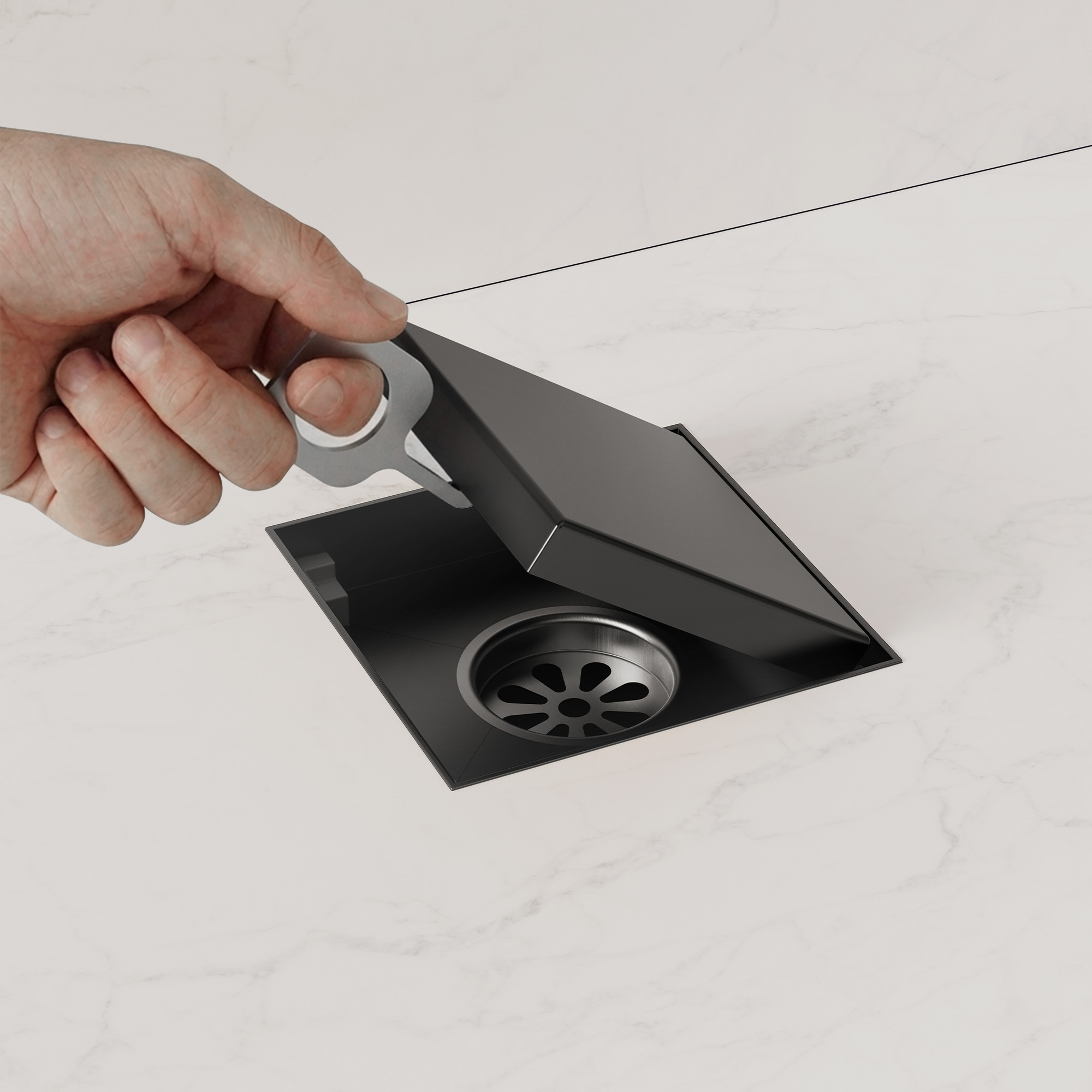
It seems more and more homeowners are catching on to this. The global market for drain maintenance products is expanding as people actively look for ways to get ahead of common plumbing headaches. Since the usual suspects—hair, soap scum, and body oils—aren't going anywhere, a little preventative maintenance can make all the difference.
Simple Habits for a Clog-Free Drain
Consistency is everything when it comes to keeping drains clear. By weaving a couple of simple tasks into your regular cleaning routine, you can prevent that slow, sneaky buildup of gunk that eventually leads to a frustrating blockage.
A great starting point is a weekly hot water flush. Just boil a kettle and pour it straight down the drain. This quick step helps melt away any fresh residue from conditioners and soaps before it has a chance to solidify and trap hair.
For a slightly deeper clean, I recommend a monthly baking soda and vinegar treatment. Start with half a cup of baking soda down the drain, follow it with half a cup of white vinegar, and let that fizzy reaction work its magic for about 30 minutes. Finish by flushing it all out with another round of hot water. It’s a gentle, natural way to scrub the inside of your pipes.
The Single Best Tool: A Quality Hair Catcher
Let’s be real: hair is the number one enemy of a free-flowing shower drain. It creates a net that catches every bit of soap scum and debris passing by. The most effective move you can make is to install a good-quality hair catcher or drain screen. These simple devices fit right over or inside the drain, stopping the problem at the source.
Get into the habit of cleaning it out after every one or two showers. It takes seconds but pays huge dividends by ensuring only water makes its way down the pipes. It’s a cheap, low-effort solution that punches way above its weight in preventing clogs.
Also, take a look at the products you're using.
- Steer clear of thick, oil-based products: These can easily congeal inside pipes, creating a sticky trap for everything else.
- Opt for liquid soaps: Bar soaps are often made with fats and talc that are notorious for building up into stubborn soap scum. Liquid body washes are generally a safer bet.
When you combine a physical barrier like a hair catcher with these regular, gentle cleaning habits, you create a powerful defense. This proactive mindset is what ensures your luxury shower remains a flawless, relaxing retreat day in and day out.
Answering Your Questions About Natural Drain Cleaning
Even when you have a solid plan, a few questions are bound to pop up, especially when dealing with a stubborn clog. Let's walk through some of the most common ones I hear from homeowners. Getting these answers right will not only get your drain flowing freely but also protect those beautiful, high-end fixtures you’ve invested in.
How Often Should I Use These Methods for Prevention?
For day-to-day upkeep, a weekly hot water flush is your best friend. Seriously, it's that simple. Just letting hot water run for a minute or two helps dissolve the fresh soap and conditioner residue before it has a chance to solidify and cause trouble.
For a deeper clean, I recommend using the baking soda and vinegar trick or a good enzymatic cleaner about once a month. This is usually enough to keep things clear. However, if your shower sees a lot of traffic—maybe it's used by a few family members with long hair—you might want to bump that up to every two or three weeks. It's all about staying ahead of the game.
Are Natural Methods Truly Safe for All Types of Pipes?
Yes, and that's one of the biggest reasons I recommend them. Natural solutions like hot water, the baking soda and vinegar combo, and enzyme-based cleaners are gentle on all common pipe materials. Whether you have modern PVC, classic copper, or even older galvanized steel pipes, you're in the clear.
Unlike caustic chemical drain openers that can create intense heat and literally eat away at your plumbing, these methods work differently. They focus on dissolving the organic gunk without putting your pipes, rubber seals, or delicate fixture finishes at risk.
What if the Clog Just Won't Budge?
You've tried everything—the hot water, the baking soda mix, you even wrestled with a plumber's snake, but the water is still backing up. When natural methods don't do the trick, it's a clear signal that you're dealing with a more significant problem. The blockage could be much deeper in your main line, or it might be caused by something more solid than hair and soap.
This is the point where you stop and call a licensed plumber. Don't risk making it worse. A professional has the right tools, like motorized augers and inspection cameras, to find and fix the real problem without causing any damage to your home’s plumbing system.
Can I Add Salt to the Baking Soda and Vinegar Mix?
You absolutely can. Adding a little salt to the mix is a great pro-tip; it really kicks the cleaning power up a notch. The salt crystals act as a mild abrasive, helping to physically scrub the gunk off the inside of the pipes while the baking soda and vinegar are busy fizzing away.
Here’s a recipe I’ve found works wonders:
- Mix half a cup of baking soda with a quarter cup of regular table salt.
- Pour it down the drain.
- Follow that with one cup of hot vinegar.
- Let that fizzy, bubbling reaction work its magic for about 30 minutes, then flush everything out with plenty of hot water.
At GRANDJOY, we believe a luxurious bathroom experience depends on flawless function and impeccable style. Our collections of premium brass and stainless steel shower systems are designed for lasting beauty and performance. Explore our curated fixtures to find the perfect centerpiece for your bathroom sanctuary.


Leave a comment
This site is protected by hCaptcha and the hCaptcha Privacy Policy and Terms of Service apply.